Topic
Defense Data Security
How zero trust applies to mission data across classification levels, coalition partners, and disconnected networks.
21 posts
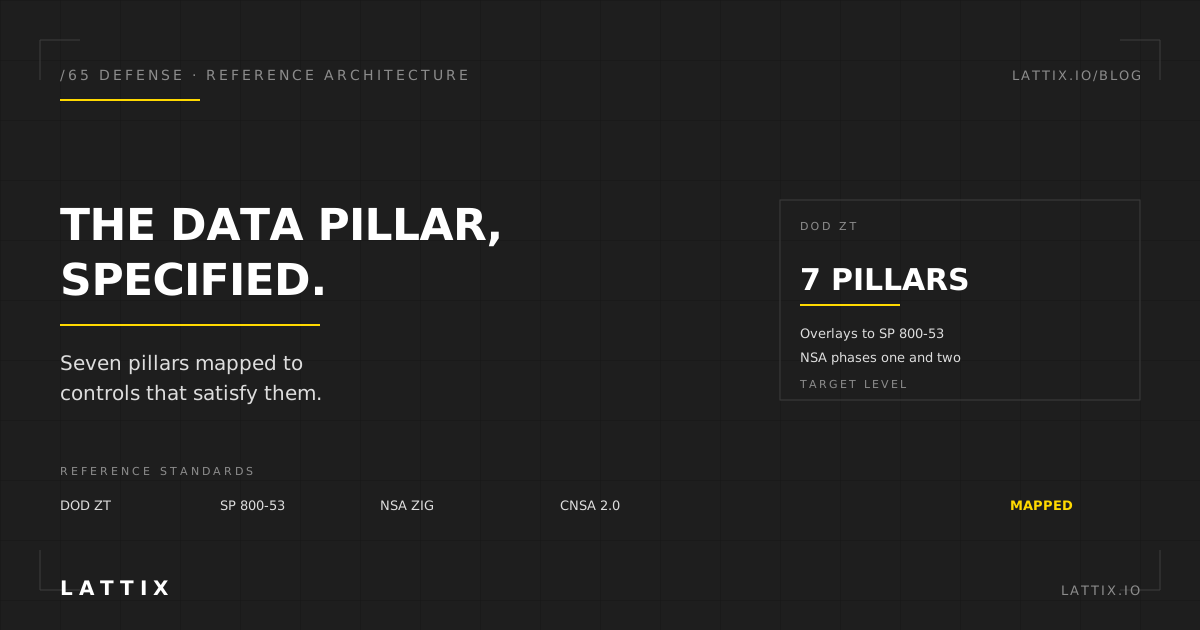
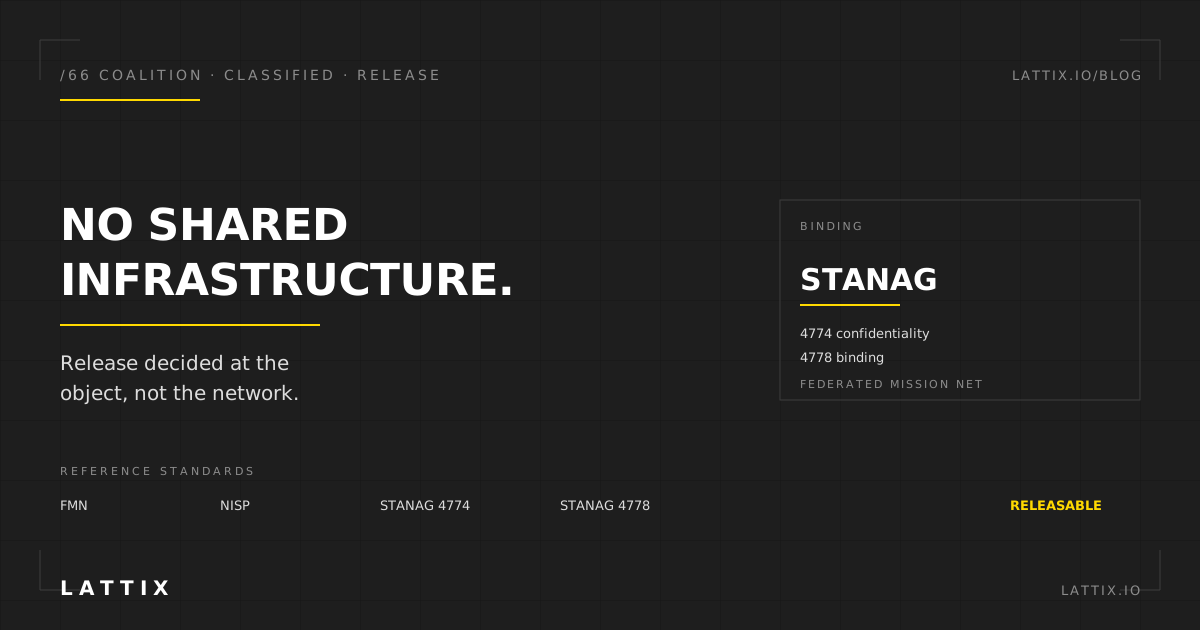
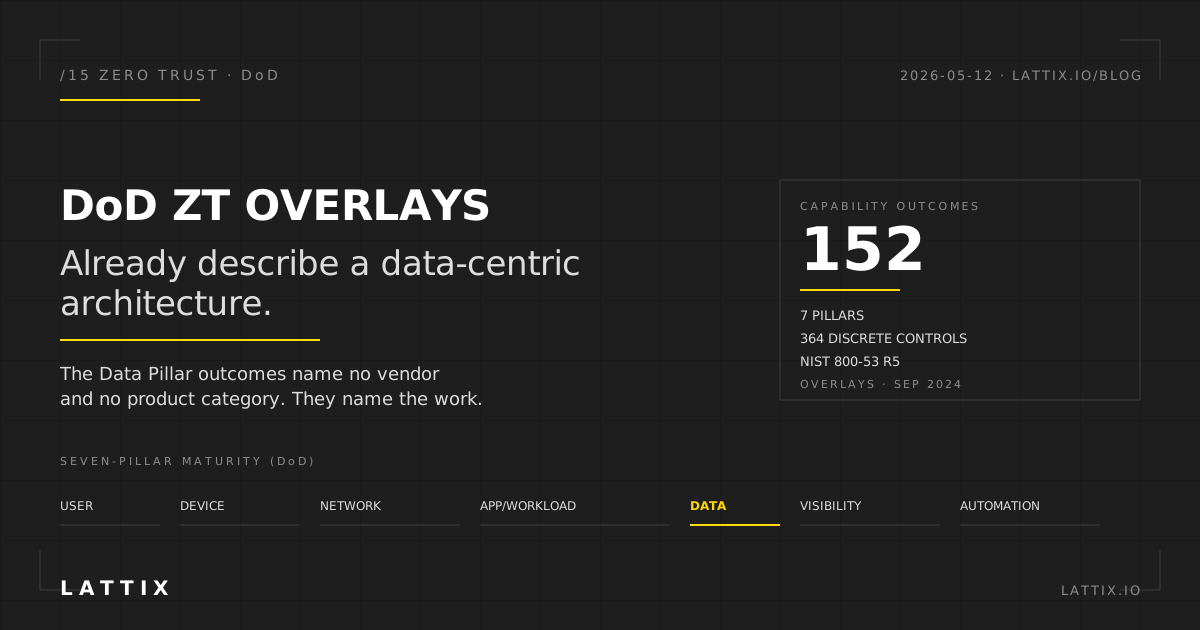
Defense data security applies zero trust to mission data across classification levels, coalition boundaries, and disconnected networks. The DoD Zero Trust Overlays specify controls pillar by pillar, and the data pillar assumes protection travels with the object rather than with the enclave. NATO practice binds confidentiality labels using STANAG 4774 and STANAG 4778, keeping a label cryptographically attached to the data it describes.
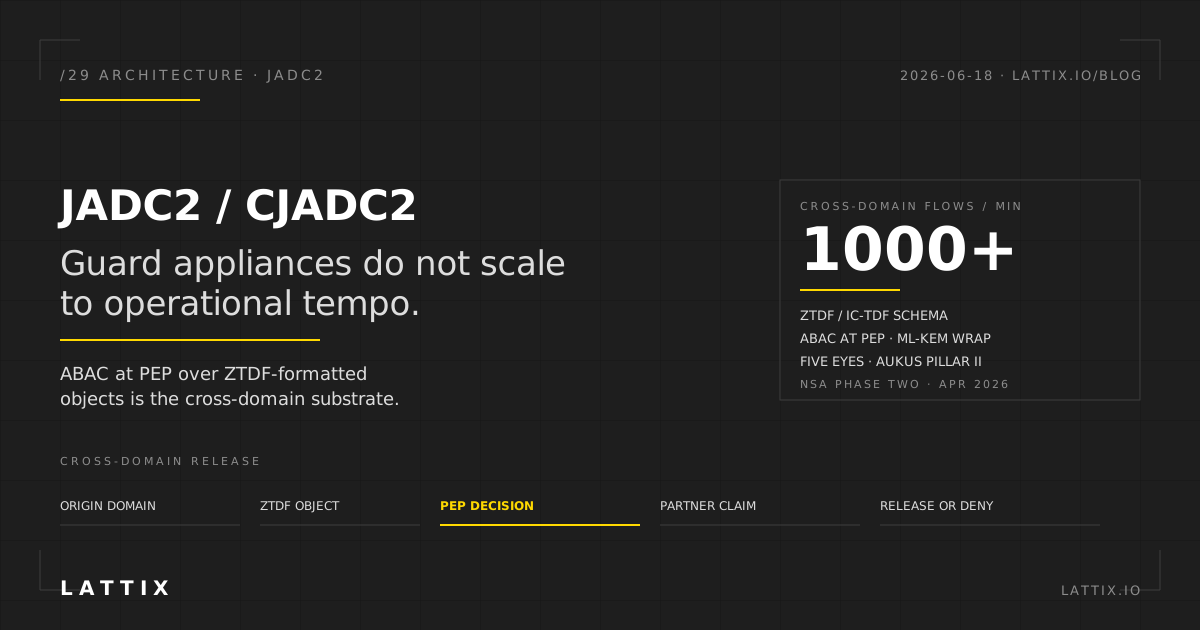
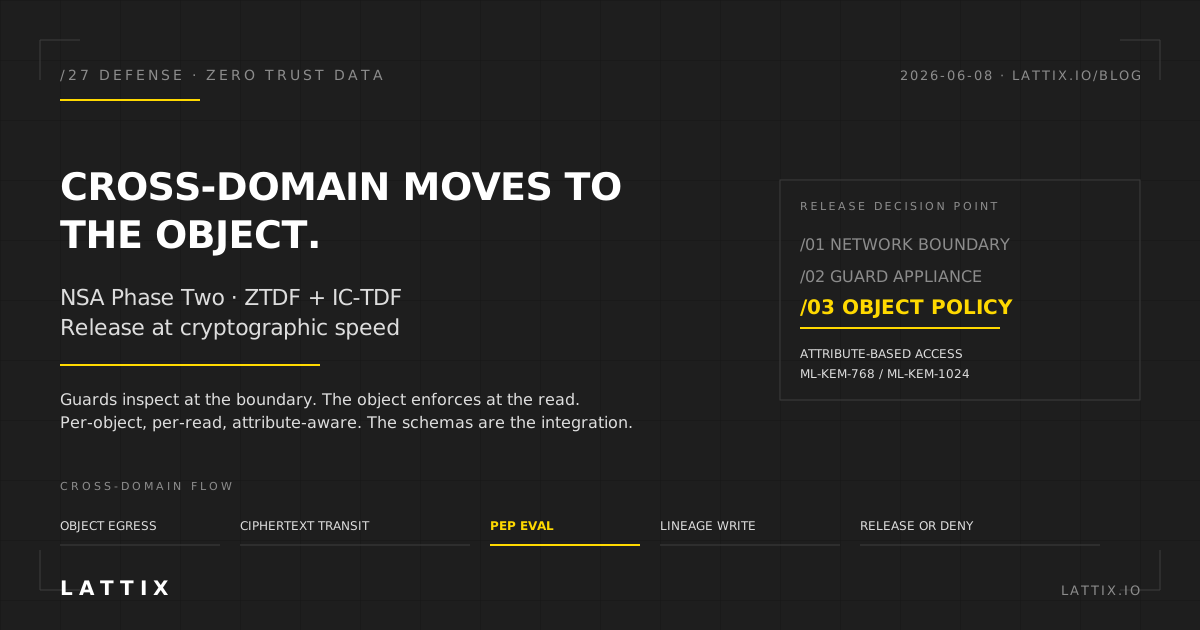
The hard part is release, not storage. Cross-domain solutions built as guard appliances inspect content at one fixed boundary, forcing every sharing decision through a chokepoint that slows coalition operations. Denied and disconnected conditions add a second constraint, because policy evaluation has to behave predictably, and fail-closed, when the decision service cannot be reached.
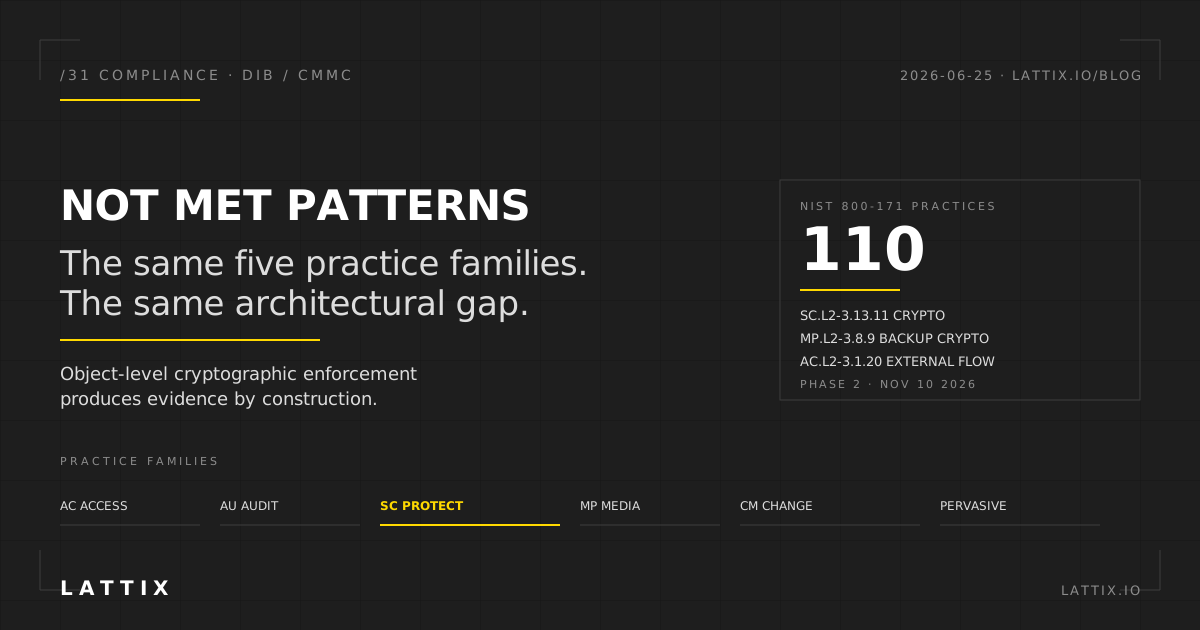
Posts under this hub cover CMMC Level 2 and protection of controlled unclassified information, CNSA 2.0 and the January 2027 national security systems deadline, JADC2 data sharing, cross-domain modernization toward object-level release, and the audit failure patterns recurring across the defense industrial base.
Frequently asked questions
What do the DoD Zero Trust Overlays say about data?
The DoD Zero Trust Overlays organize controls by pillar and treat data as a pillar with its own activities, including labeling, encryption, rights management, and monitoring. Read together, those activities describe protection bound to the object rather than to the enclave that stores it. The overlays map each activity to existing control catalogs, which lets programs show coverage against requirements they already track.
What does CMMC Level 2 require for CUI?
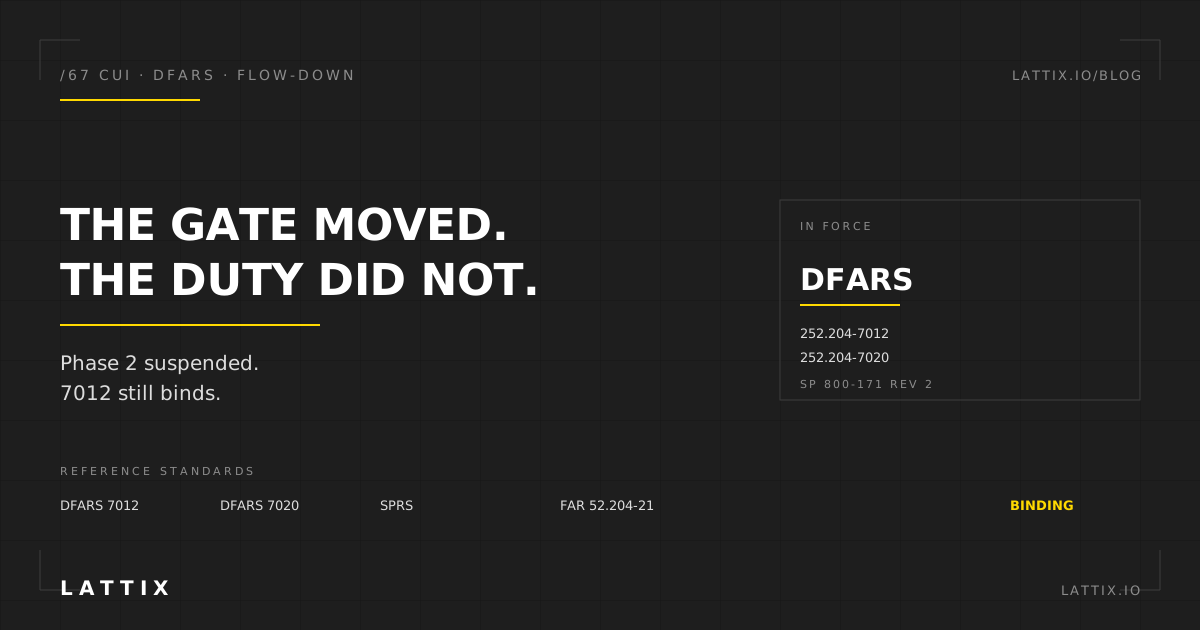
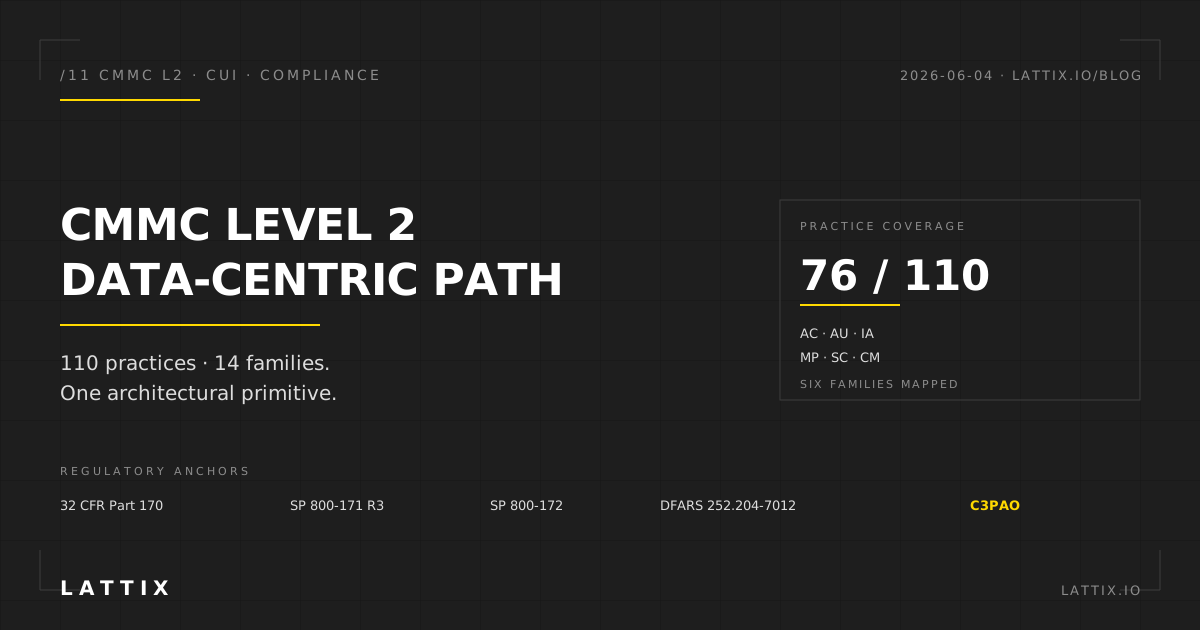
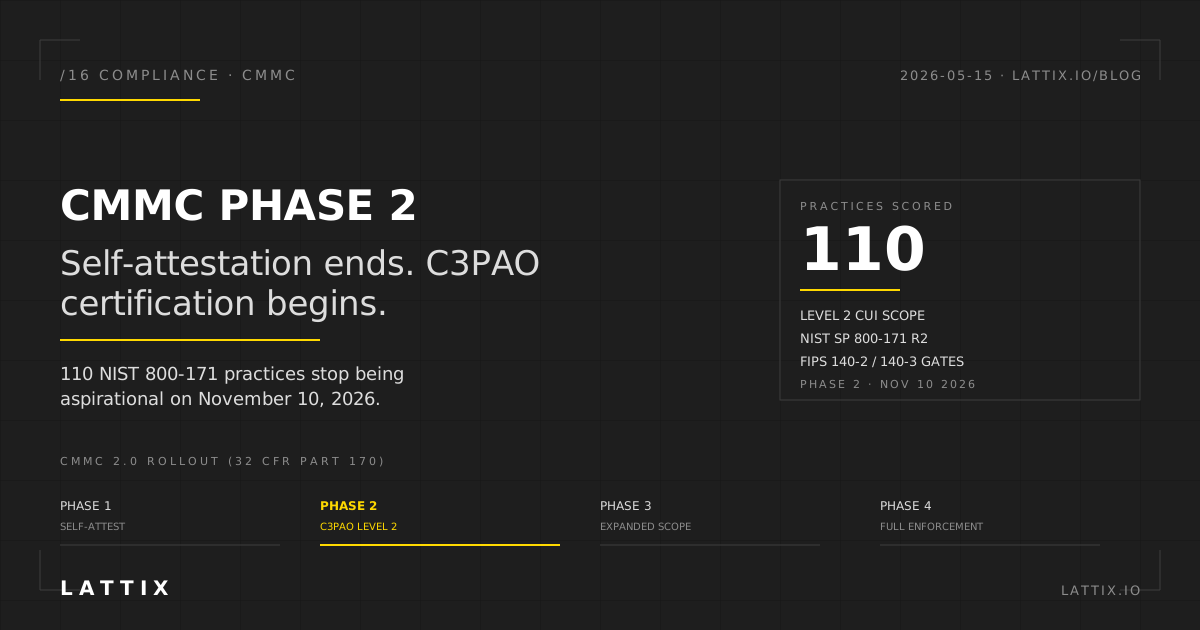
CMMC Level 2 assesses a contractor against the NIST SP 800-171 control set for controlled unclassified information, covering access control, media protection, encryption, audit, and incident response. Assessment evidence has to show controls operating, not policies written. Contractors most often fail where CUI moves outside systems they operate, since the requirements follow the information rather than the network.
What is CNSA 2.0 and when is the deadline?
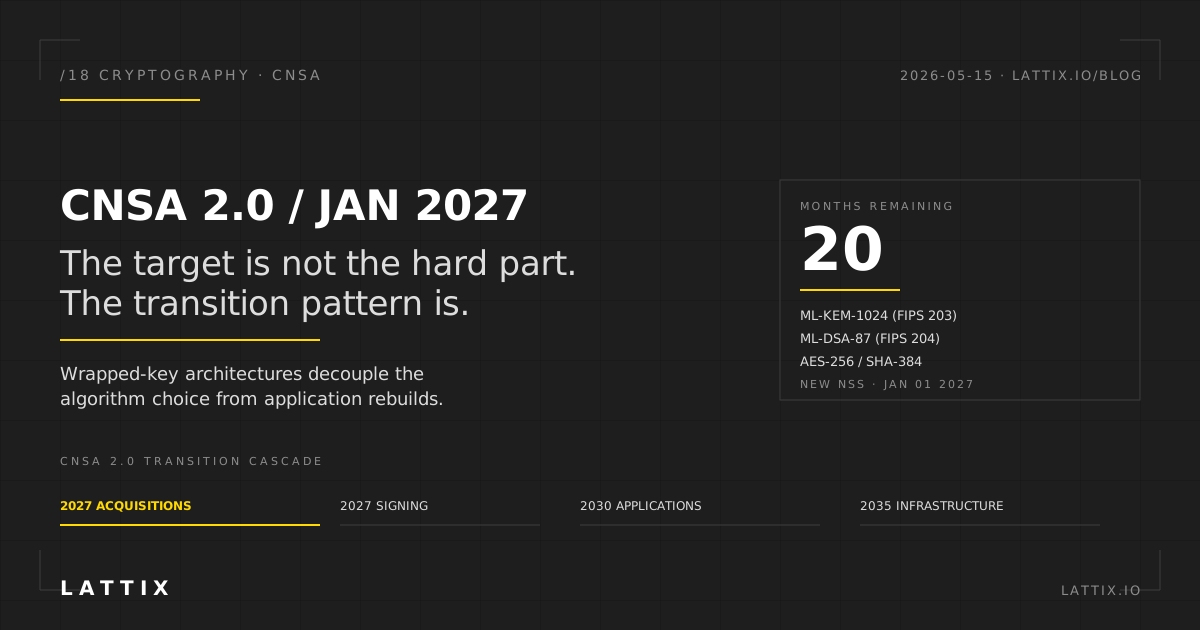
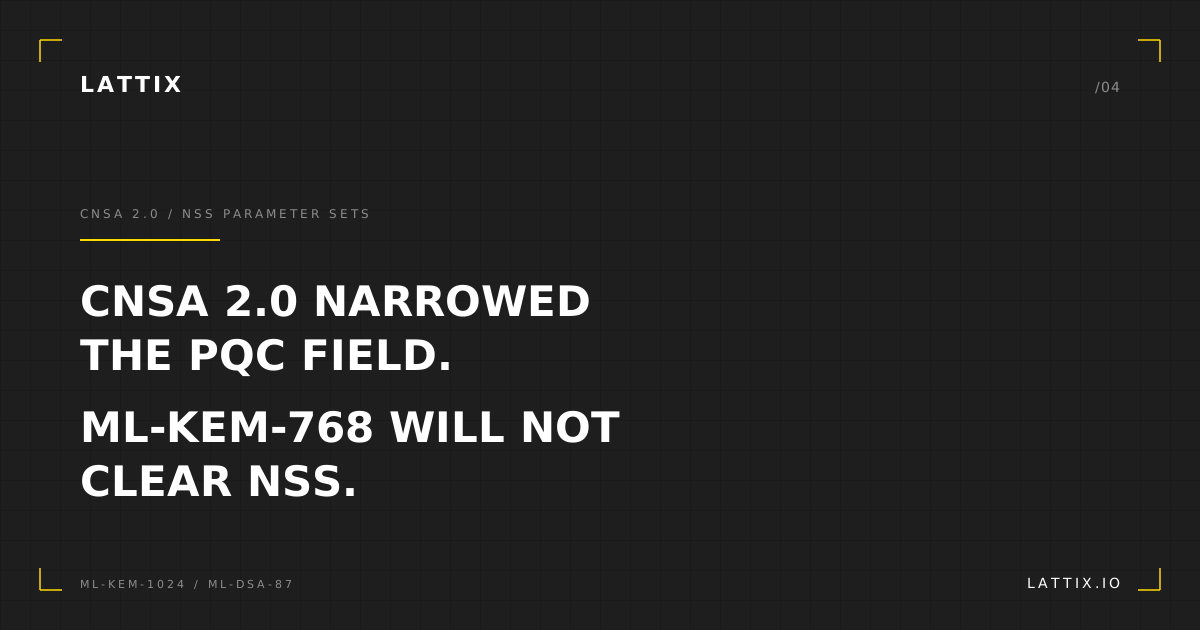
CNSA 2.0 is the NSA Commercial National Security Algorithm Suite specifying quantum-resistant algorithms for national security systems, with January 2027 as a key milestone for new acquisitions. It selects ML-KEM for post-quantum key encapsulation, standardized in FIPS 203, at a parameter strength above ML-KEM-768, so commercial deployments built on ML-KEM-768 will not satisfy national security systems requirements.
How can coalition partners share classified data without shared infrastructure?
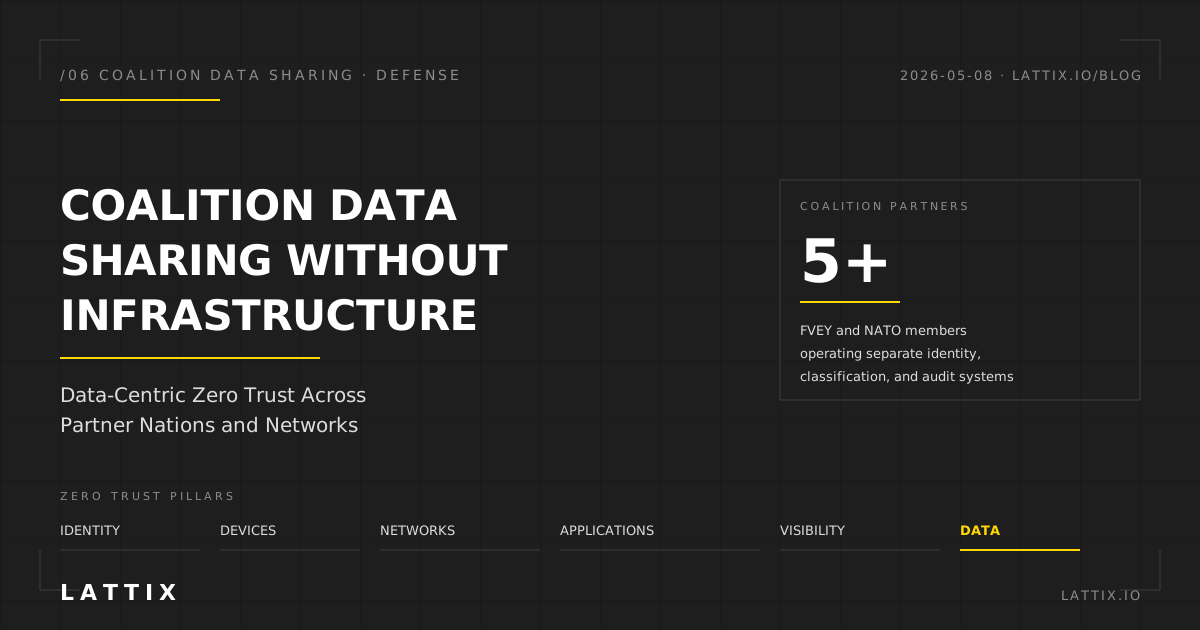
Bind releasability rules to each object and let partners hold encrypted copies on their own systems. A partner requesting access presents attributes such as nationality, clearance, and mission role, and the originator's policy decides whether a key is released. No common network, shared directory, or negotiated joint enclave is required before sharing can begin.