Topic
Cryptography and Key Management
Key custody, envelope encryption, algorithm agility, and integrity: the cryptographic machinery that makes protection travel with the data object.
6 posts
Cryptography in a data-centric architecture is the use of encryption, key management, and digital signatures to make protection travel with the data object itself. Encryption controls who can read a payload, signatures and hashes prove it has not changed, and key custody determines who can revoke access after distribution. Together they turn policy into cryptographic enforcement rather than a setting on a server.
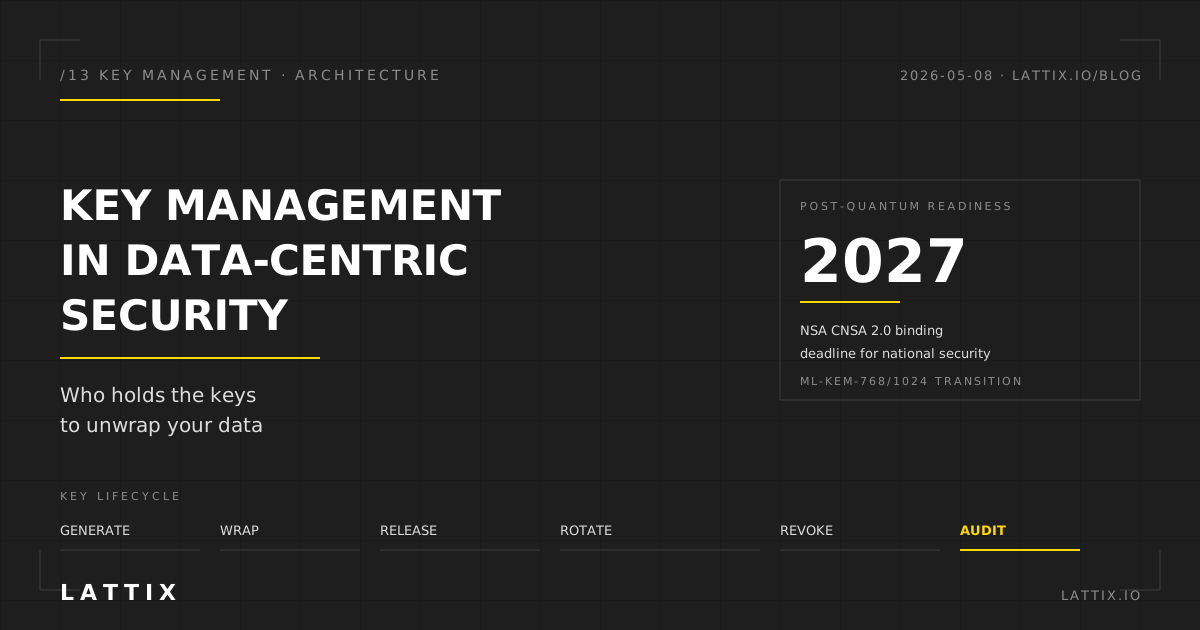
Key custody is where designs break. Envelope encryption wraps each object's data encryption key under a key encryption key, which is correct, but many deployments then hand both the ciphertext and the wrapping key to the same operator, returning control to whoever runs the storage. Algorithm agility is the second gap: an architecture that hardcodes a cipher into stored formats cannot rotate without rewriting every object.
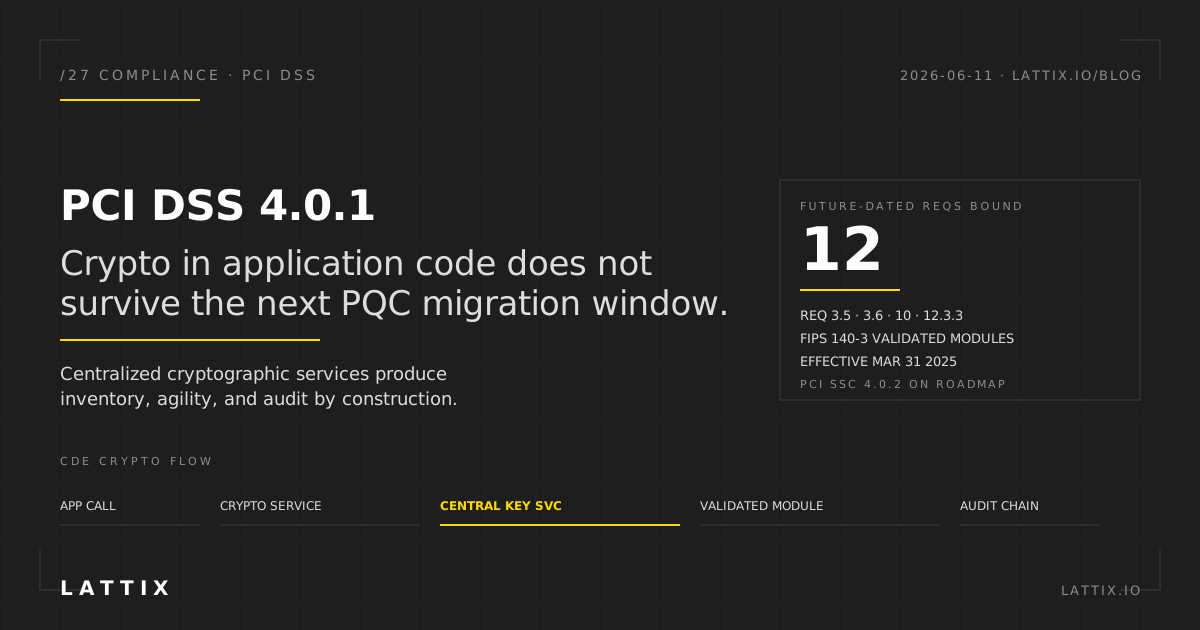
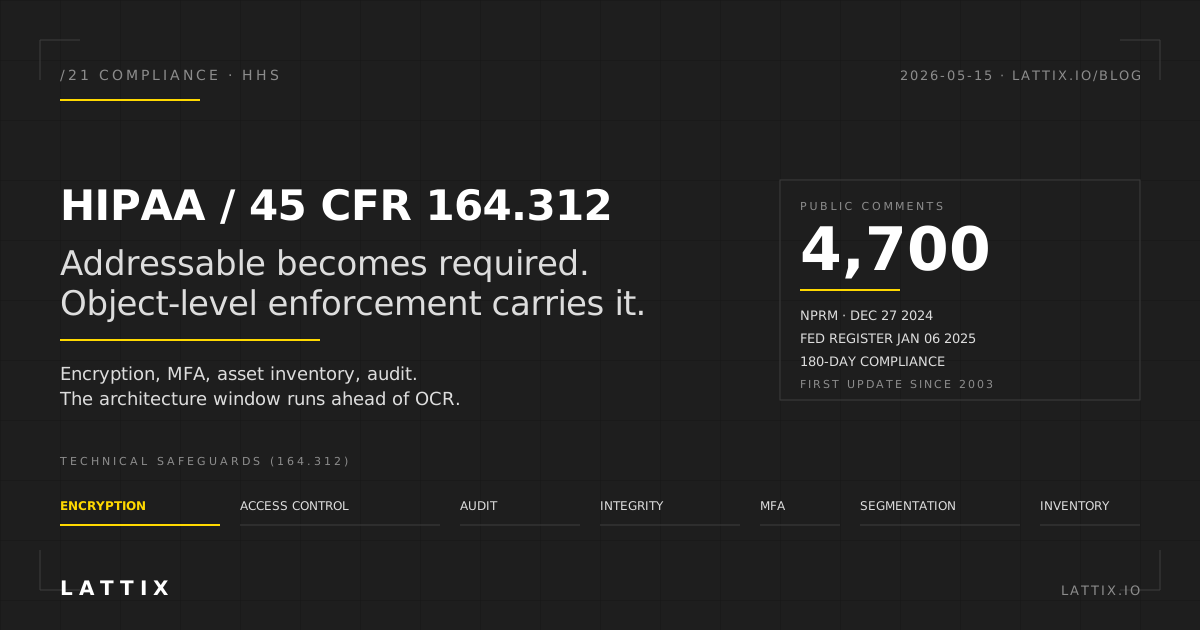
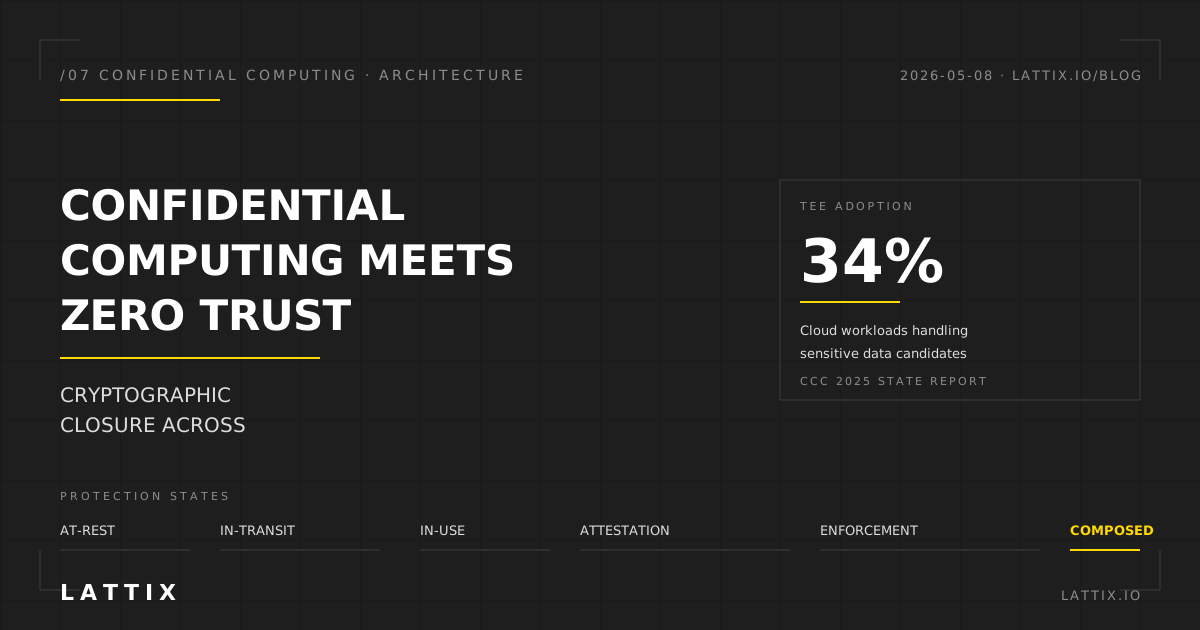
Posts under this hub cover who should hold keys and why, envelope encryption hierarchies, integrity through Merkle-tree lineage, confidential computing as a complement to object-level encryption, and the cryptographic expectations written into sector rules such as PCI DSS 4.0.1 and the proposed HIPAA Security Rule update.
Frequently asked questions
Who should hold the encryption keys in a data-centric architecture?
The data owner should hold the key encryption keys, and the party storing or processing ciphertext should not. Separating custody from storage means a compromised platform yields unreadable bytes. In practice that means customer-held key encryption keys, per-object data encryption keys wrapped under them, and a key service that stays fail-closed when it cannot reach the policy decision point (PDP).
What is envelope encryption?
Envelope encryption encrypts each data object with its own data encryption key, then encrypts that key under a longer-lived key encryption key held in a hardware security module or key service. Rotating the outer key rewraps small keys instead of re-encrypting terabytes, and revoking access means refusing to unwrap, which works even for copies already distributed.
What is crypto agility?
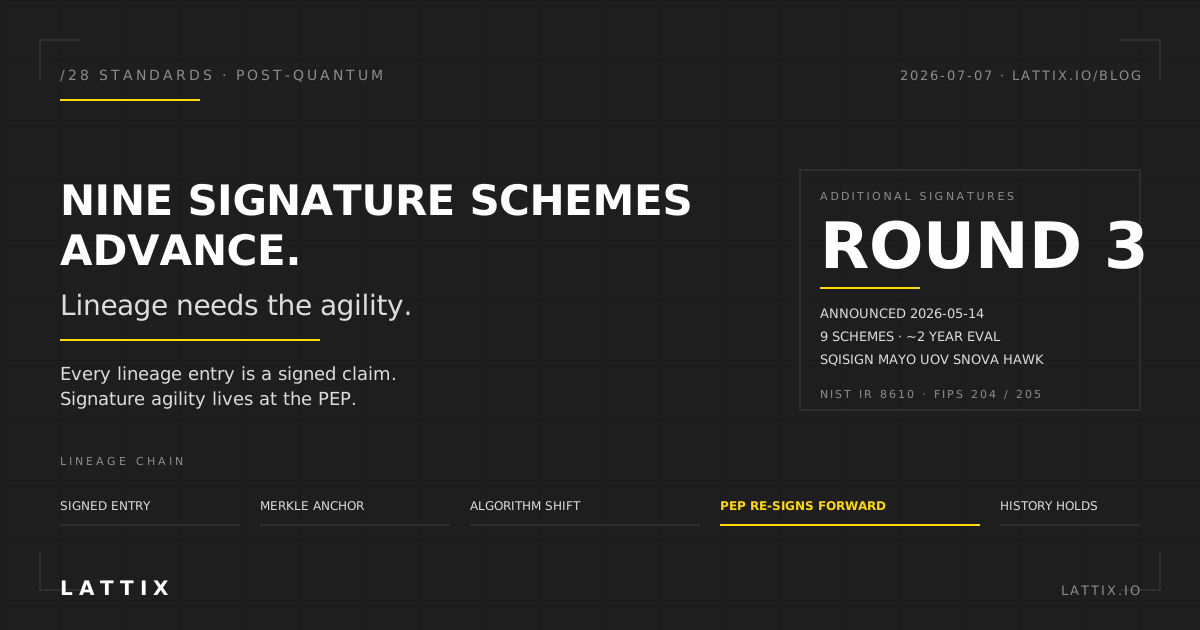
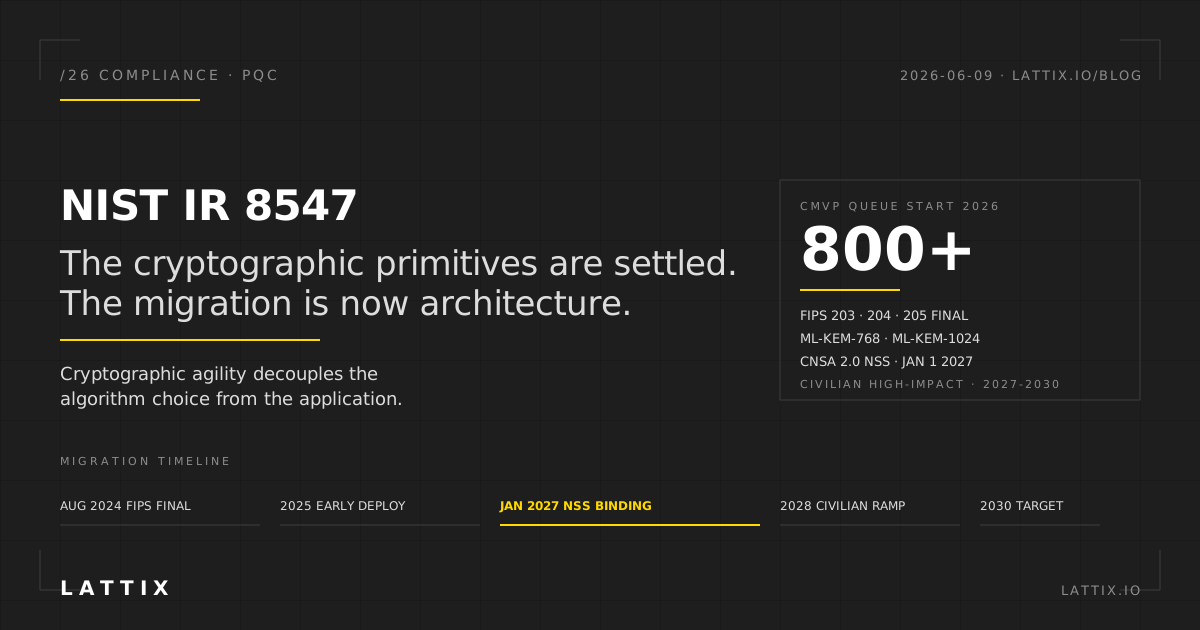
Crypto agility is the property that lets a system change algorithms, parameters, or key sizes without redesigning it. It requires algorithm identifiers carried in metadata rather than assumed, an inventory of where cryptography runs, negotiated rather than hardcoded cipher suites, and key hierarchies that support rewrapping. Systems built this way absorb the post-quantum transition as a configuration change.
What does FIPS 140-3 validation cover?
FIPS 140-3 specifies security requirements for cryptographic modules: approved algorithms, key management, physical protection, self-tests, and operator roles. Validation applies to the module and its declared boundary, not to the product around it, so a validated library inside an unvalidated workflow proves little. Check the certificate's boundary and version before treating it as evidence.