Topic
Healthcare Data Security
A focused entry point on protecting patient and medical device data under the HIPAA Security Rule, its proposed update, and sector threat activity.
4 posts
Healthcare data security is the protection of patient records, clinical data, and connected medical device data against unauthorized access, alteration, and disclosure. In United States practice it is governed primarily by the HIPAA Security Rule, which binds covered entities and their business associates and sets administrative, physical, and technical safeguards for electronic protected health information.
The Security Rule is technology-neutral by design, and that is where programs drift. Encryption sits among the addressable implementation specifications, which many organizations read as optional rather than as a documented decision. Meanwhile the data moves constantly: to imaging vendors, billing processors, research partners, and device manufacturers, each an access path the covered entity does not operate.
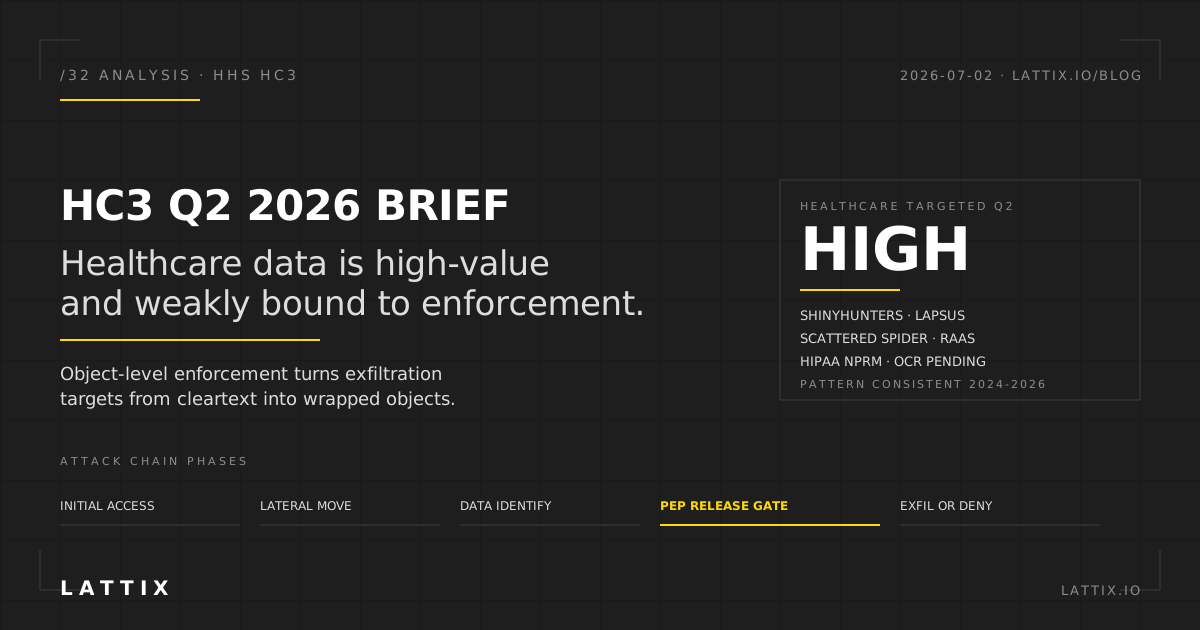
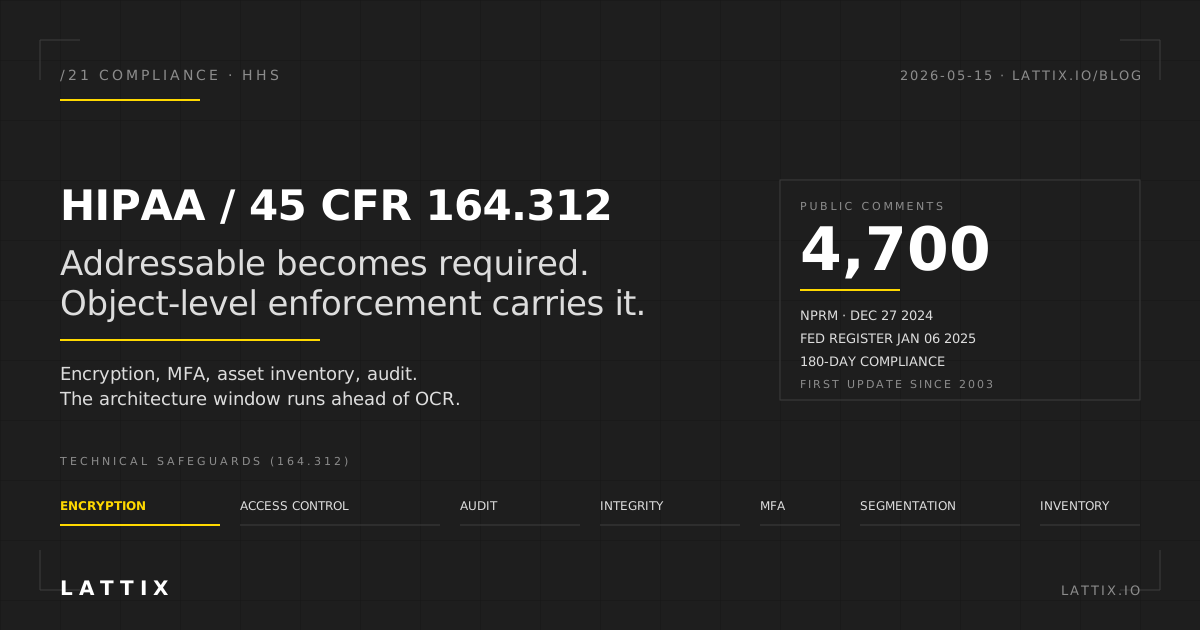
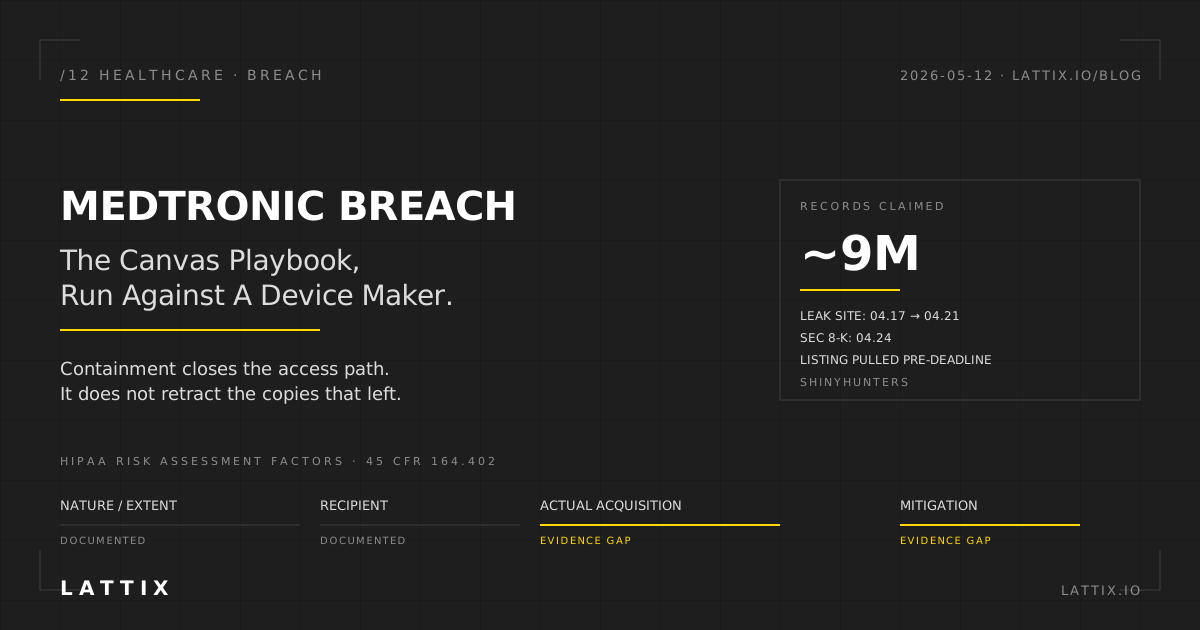
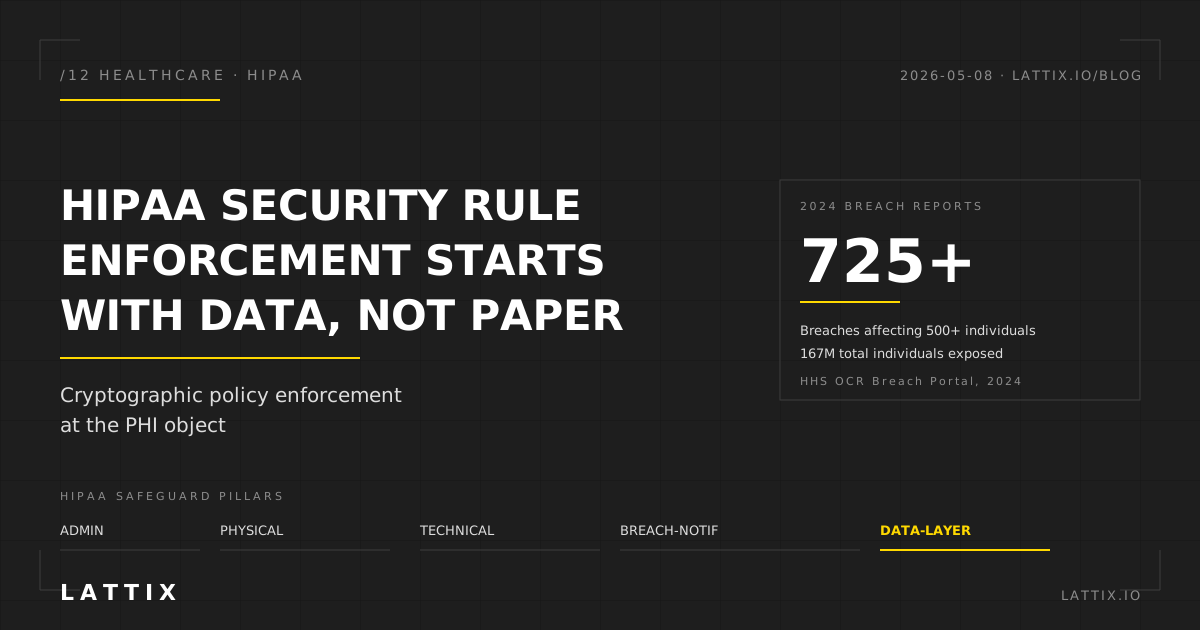
This hub is deliberately narrow. Four posts cover HIPAA Security Rule enforcement as a data question rather than a documentation question, the proposed rule that would make cryptographic safeguards explicit, the HHS HC3 threat picture for the sector, and a medical device manufacturer breach read as an architecture failure.
Frequently asked questions
Does the HIPAA Security Rule require encryption?
Under the current Security Rule, encrypting electronic protected health information is an addressable implementation specification rather than a required one. A covered entity implements it, or documents why it is not reasonable and appropriate and adopts an equivalent alternative. The proposed update to the rule would remove that distinction and require encryption at rest and in transit.
What is the difference between HIPAA and HITRUST?
HIPAA is United States law: the Security Rule states required safeguards, names no specific technology, and offers no certification. HITRUST is a private framework, the HITRUST CSF, which maps HIPAA obligations alongside other standards into prescriptive control specifications and supports third-party certification. Organizations present HITRUST certification as evidence, and it is not a legal determination.
How do you protect patient data shared with vendors and business associates?
Bind the policy to the record instead of to the vendor environment. Attribute-based access control (ABAC) evaluates role, purpose, jurisdiction, and consent at each request, and cryptographic enforcement keeps the record unreadable until a decision permits it. Access then expires or gets revoked centrally, and the audit trail covers use inside the vendor systems.
What counts as electronic protected health information?
Electronic protected health information is individually identifiable health information that a covered entity or business associate creates, receives, maintains, or transmits in electronic form. It covers diagnoses, treatment records, payment data, and the identifiers tied to them, including device-generated clinical data. Data de-identified under the methods the rule specifies falls outside the definition.